Today we depart from the Hotel Costa dei Fiori to Cagliari: Our route takes in the historic Castle, ancient stronghold of the city, where they settled and the oldest noble families. ; By car or bus: 37 km. estimated time 55 minutes -
View From Hotel Costa dei Fiori in Cagliari in a larger map
If you arrive by car recommend the train station car parks (see map);
If you arrive by bus you will nell'antistante Piazza Matteotti.
At this point, you may want to visit the area on foot or:

A journey through the streets of the city of Cagliari on board a small cart drawn by a pair of draft horses. The tee is located in Piazza Yenne (lies along the Largo Carlo Felice) and tickets can be purchased on board. The coach has a capacity of twenty people and offers a variety of routes depending on the tastes and demands of tourists who can, in this way to customize their tour.


offers its passengers a route that passes through the major sites of historical and artistic sights and scenic overlooks. In addition to cross the central areas of commercial interest, the train focuses its attention on the ancient streets of the town's medieval castle.
E 'will be a guide on board that will act as a mediator between the tourists and the landscape for the duration of the journey that will last 45 minuti.Il terminus is at Piazza del Carmine, a short walk from via Roma and the seaport emission. the ticket on board, discounts for groups. (For more information: http://www.trenino.it/ )
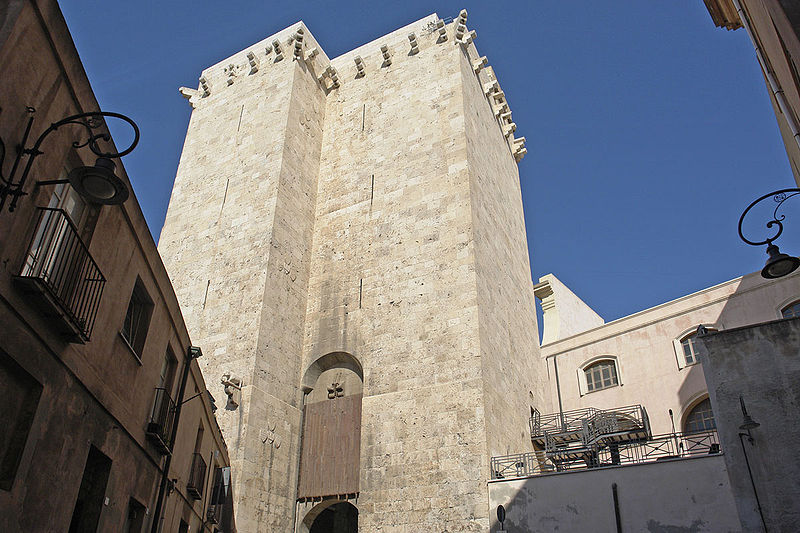
Castle, situated near the east pier and dominated by the fortress "Casteddu," which takes its name. Until 15 years ago was the most depressed area of \u200b\u200bthe city today after a revaluation of buildings has become the chic living room of the Sardinian capital. A complex grid of streets, onto which liberty and Baroque buildings, house craft shops, restorers and antique booksellers, restaurants and famous bars.
The district offers many reasons to visit, many are in fact the historical and artistic monuments found there.

For this beautiful picture thank our friend Roberto Arisch http://robertoarisci.jimdo.com/
;

not to be missed



Most of the castle and museums of Cagliari in general, are currently sheltered in local of the modern museum complex known as the Citadel of Museums , in this complex of buildings built in the 70s of the twentieth century the area that housed the Royal Arsenal, are: The Archaeological Museum, the National Art Gallery, The collection of wax anatomical models "plums" and the Museum "Cardu" Siamese art.
Sources and photos.


0 comments:
Post a Comment