Today the Hotel Costa dei Fiori, we're going to find Nora: the ancient city of Trustees nuragica, the oldest town in Sardinia, located on Cape Cape Pula, after only 15 minutes we are thrown into an archaeological site from the old fascination.
The name comes from Norac here have been found traces of nuragica, demonstrating a use of the site during the Bronze Age (especially a well nuragico at the "Spa at Sea" and the import of manufactured goods dating from the Mycenaean III b full Nuraghic). In the surrounding area totaled some nuraghi (Nuraghe Sa Guardia Mongiasa "on the only modest relief in the hinterland; Nuraghe Antigori Sarroch, more distant, in which were found Mycenaean ceramics).

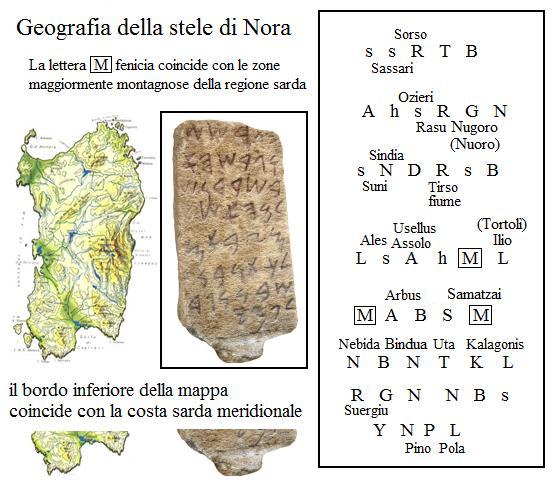
( Photo source )

At the time of the Roman conquest of Sardinia (238 BC) was probably the most important cities of the island, initially chosen as the capital of the Roman province of Sardinia and Corsica. In Roman times, the town hall. The remains of the development currently witnessed in the city especially in the second and third centuries AD, the Roman town are the remains of several buildings (Forum, theater, spa facilities, housing), while the archaeological material evidence of the continuation and prosperity of trade with the regions facing the Mediterranean Sea.

( Source Photos )
sources of news, which we thank.
To know more, We recommend you visit this site .


0 comments:
Post a Comment